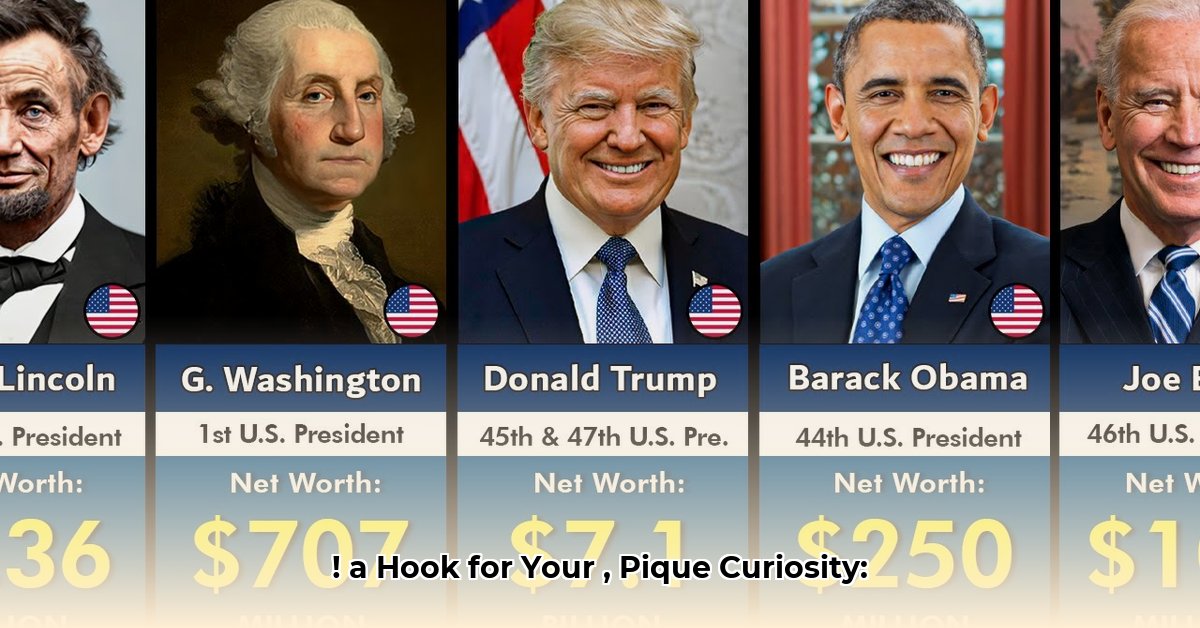
Revealed: President's Net Worth Before & After The Shocking Truth!
August 28, 2025 · 5 min · 972 words · Dawn Cordero
# Revealed: President's Net Worth Before & After The Shocking Truth!

## Unveiling Presidential Wealth: The Shocking Truth About Net Worth Before and After Office
Ever wondered how a president's bank account looks before they step into the Oval Office and what happens after they leave? It's a financial journey filled with surprises. Some presidents experience a meteoric rise in wealth, while others face unexpected dips, highlighting the intersection of politics, celebrity, and finance. Let's explore the financial stories of some notable US presidents and uncover the truth behind the "post-presidency premium."

Considering individual cases can be enlightening; [Andrew Clyde's financials](https://andrew-clyde-net-worth.pages.dev) offer an example. Let's explore the financial stories of some notable US presidents and uncover the truth behind the "post-presidency premium."

### US Presidents' Wealth: Who Gained & Lost (The Longtail Story)

Key Takeaways:

*   Presidents' financial trajectories often undergo dramatic shifts during and after their time in office, reflecting the diverse opportunities and challenges they face.
*   Post-presidency, income from speaking engagements and book deals can substantially increase a president's net worth. These opportunities leverage their unique experiences and public profile.
*   Factors such as economic conditions, personal choices, and even global events like COVID-19 can significantly impact a president's wealth during their term.

### Presidential Financial Journeys: The Before & After

How much do presidents make, and where does that money come from? The answer is complex, with wealth accumulation after leaving the White House largely influencing these figures. A president's financial journey is more than just a number; it's a reflection of the times and the opportunities available to them.

### The "Post-Presidency Premium": A Modern Phenomenon?

Is there a "post-presidency premium"? Evidence suggests that many presidents experience a considerable increase in their wealth after leaving office. This boost often comes from lucrative book deals, high-dollar speaking engagements, and strategic investments. But is this a recent trend, or has it always been the case?

### Clinton's Boom: Speaking and Writing His Way to Wealth

Bill Clinton’s post-presidency stands out as one of the most remarkable financial success stories in recent history. Leaving office with approximately $1.3 million, Clinton amassed over $120 million through sought-after speaking engagements and book royalties. How did he do it? By capitalizing on his unique experiences and insights gained during his two terms in office.

### Obama's Ascent: The Power of Presidential Memoirs

Barack Obama also significantly benefitted from the "post-presidency premium," with his net worth jumping from $1.3 million to an estimated $70 million. His secret? Multi-million dollar book deals that captivated the world, a sign of enduring public interest in a president's perspective.

### The Trump Exception: Economic Forces and Brand Impact

Donald Trump represents a unique case. Unlike his predecessors, Trump's net worth reportedly *decreased* during his presidency, falling from $3 billion to $2.3 billion. This decline was largely attributed to the impact of the COVID-19 pandemic on his real estate holdings and the damage done to his brand. However, the performance of Truth Social has seen his net worth rebound dramatically, reaching $6.5 billion, showing the ups and downs of tying your worth with a publicly traded company.

### Ethical Considerations: Is It Right To Profit?

Increased wealth following public office begs the question: is it ethical to profit from public service? This raises questions about transparency, accountability, and responsibilities to the public good. Is there a line between legitimate earnings and capitalizing on political influence?

### Financial Transparency: Tax Returns and Public Trust

To ensure transparency and build public trust, presidential candidates should disclose detailed information about their assets and tax returns. This allows voters to make informed decisions and helps manage potential conflicts of interest. Financial transparency is especially important when considering real estate investments as well.

### Actionable Intelligence: Implications and Strategies for Stakeholders

Former politicians, financial advisors, and voters each have a role to play in understanding and managing the financial implications of presidential service. Let's dive into the specific, actionable steps each stakeholder can take:

| Stakeholders            | Short-Term (0-1 Year)                                                                                                                                                                                                                                                     | Long-Term (3-5 Years)                                                                                                                                                                                                                                                                                                                                          |
| :---------------------- | :------------------------------------------------------------------------------------------------------------------------------------------------------------------------------------------------------------------------------------------------------------------------ | :----------------------------------------------------------------------------------------------------------------------------------------------------------------------------------------------------------------------------------------------------------------------------------------------------------------------------------------------------------------------- |
| Political Candidates | Cultivate a marketable personal brand and story that can generate future income opportunities. Consider the long-term financial implications of decisions made during their time in office.                                                                                            | Prioritize financial literacy and estate planning to effectively manage potential earnings. Focus on building a sustainable financial foundation, seeking expert financial advice early on to inform decisions about investments, savings, and long-term financial goals.                                                                                                |
| Financial Advisors    | Develop specialized wealth management services that are tailored to the specific income and investment needs of former politicians. Understand the intricacies of their unique financial situations, which includes potential income streams from speaking engagements, book deals, and board positions.                                                                                                                       | Formulate long-term strategies that protect assets from potential legal challenges or reputational harm. This involves diversifying investments, creating trusts, and implementing risk management protocols. Be prepared to navigate complex financial regulations and ethical considerations that may arise in connection with their clients' past political activities.              |
| Voters              | Demand greater transparency regarding the financial dealings of political leaders, both during and after their time in office. Advocate for stricter regulations on lobbying and the movement of individuals between government jobs and the private sector to promote accountability. | Campaign for stricter regulations that limit the movement of individuals between government and the private sector. Advocate for transparency by establishing clear guidelines for post-government employment. Ensure that public service remains focused on the common good rather than personal enrichment.                      |

Ultimately, the financial journeys of U.S. presidents provide valuable insights into the intersection of power, influence, and wealth in modern society. As we continue to witness these trends, it is crucial to foster informed discussions and implement measures that promote ethical conduct and financial transparency in the highest echelons of political leadership.